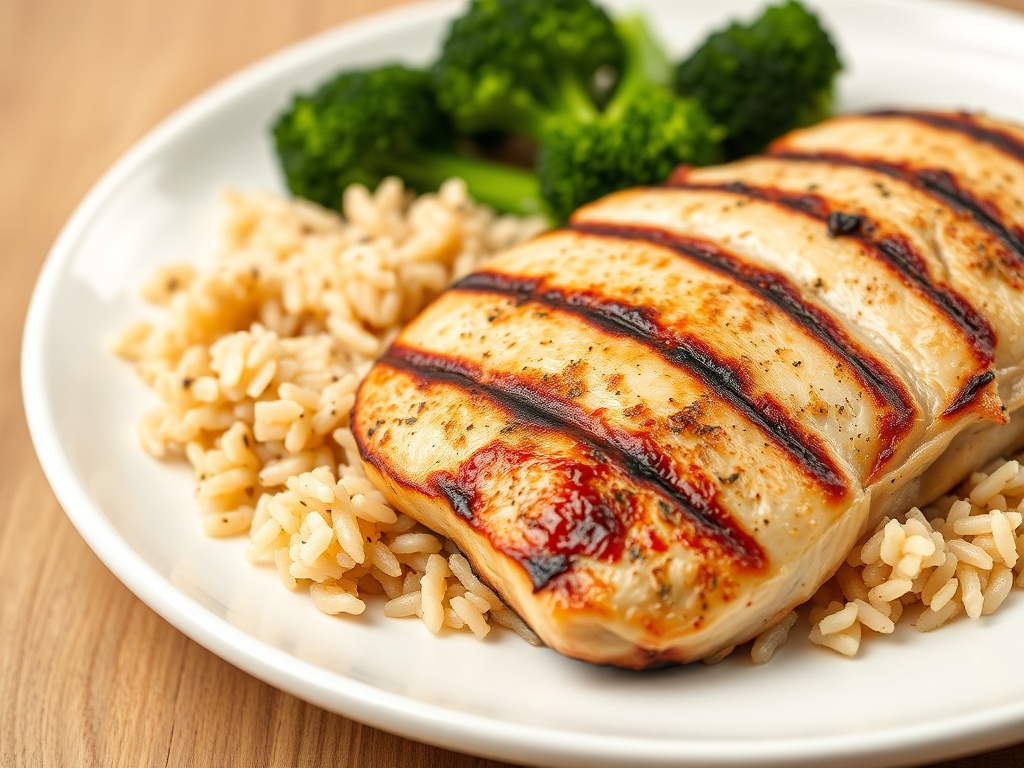
Expert Nutritionist Tips Boosting Men's Health Through Balanced Diet Strategies
Our nutritionist delivers proven strategies to enhance men's vitality, energy, and overall wellness through personalized dietary guidance and science-backed nutritional recommendations.


Trusted by Thousands
Men's Health Nutrition Coaching to Transform Your Vitality
Protein Optimization
Boost muscle recovery and strength by consuming adequate protein sources tailored to your fitness goals and daily activity levels.
Heart Health Nutrition
Support cardiovascular wellness with heart-healthy fats, lean proteins, and nutrient-dense foods specifically chosen for men's health.
Energy & Metabolism
Increase daily energy levels through balanced macronutrient timing and strategic meal planning that stabilizes blood sugar naturally.
Stress & Sleep Support
Enhance sleep quality and resilience with magnesium-rich foods, proper hydration strategies, and evening nutrition optimization techniques.
Hormonal Balance Nutrition
Naturally support testosterone and hormonal health with zinc-rich foods, essential fats, and micronutrient-dense whole food sources.
Digestive Gut Health
Strengthen digestive function and nutrient absorption with fiber-rich foods, probiotics, and gut-healing nutritional strategies.
Weight Management Plan
Achieve sustainable fat loss while preserving muscle mass through intelligent calorie control and protein-focused meal design.
Athletic Performance
Fuel workouts and recovery with pre-workout nutrition, post-exercise protein intake, and competition-day fueling strategies.
Prostate Health Focus
Support prostate wellness through lycopene-rich foods, selenium supplementation, and anti-inflammatory nutritional components.
Mental Health Nutrition
Improve mood, focus, and mental clarity with omega-3 fatty acids, B vitamins, and brain-supporting whole food nutrition.
Longevity Eating Plans
Build sustainable eating habits for lifelong health through anti-aging foods, antioxidant-rich nutrition, and disease prevention.
Personalized Meal Plans
Receive customized nutrition blueprints designed around your specific health goals, preferences, lifestyle, and dietary restrictions.
FAQs
Men's Health Nutrition Questions
How do I increase protein intake without exceeding calorie goals for weight management?
Increasing protein doesn't require excess calories. Focus on lean sources like chicken breast, fish, Greek yogurt, and plant-based options. Replace some carbohydrates or fats with protein rather than adding calories. Protein has higher thermic effect, meaning your body burns calories digesting it. Aim for 0.8-1 gram per pound of body weight distributed across meals. This approach supports muscle retention, improves satiety, and stabilizes blood sugar throughout your day.
What are the best nutrients for improving testosterone levels naturally?
Zinc, vitamin D, selenium, and healthy fats significantly impact testosterone production. Include oysters, beef, pumpkin seeds, salmon, and fortified dairy. Zinc deficiency directly correlates with lower testosterone. Vitamin D acts as a hormone regulator, so adequate sun exposure and supplementation matter. Cruciferous vegetables support healthy estrogen metabolism. Exercise, sleep quality, and stress management amplify nutritional benefits. Combine dietary changes with lifestyle optimization for best results.
Can nutrition alone improve energy levels and reduce afternoon fatigue?
Nutrition plays a crucial role in sustained energy. Stabilize blood sugar by combining complex carbohydrates with protein and healthy fats at each meal. Avoid refined sugars and caffeine crashes. Include iron-rich foods, B vitamins, and adequate hydration. Afternoon fatigue often signals dehydration or blood sugar imbalance. Strategic snacking with nuts, fruit, or Greek yogurt prevents energy dips. Sleep quality and meal timing equally matter. Consistent nutrition patterns build sustained vitality.
How can I support digestive health while increasing protein consumption?
Higher protein intake requires proper digestive support. Include plenty of fiber through vegetables, whole grains, and legumes. Stay hydrated with at least eight glasses daily. Incorporate fermented foods like sauerkraut, kefir, or kimchi for probiotics. Chew thoroughly to aid digestion. Spread protein across meals rather than consuming large amounts at once. Limit highly processed proteins. Include digestive enzymes through foods like ginger and papaya. Healthy gut function enhances nutrient absorption.

Download Your Free Men's Nutrition Assessment Today
Over fifteen years helping men optimize health through personalized nutritional guidance and proven dietary strategies.